
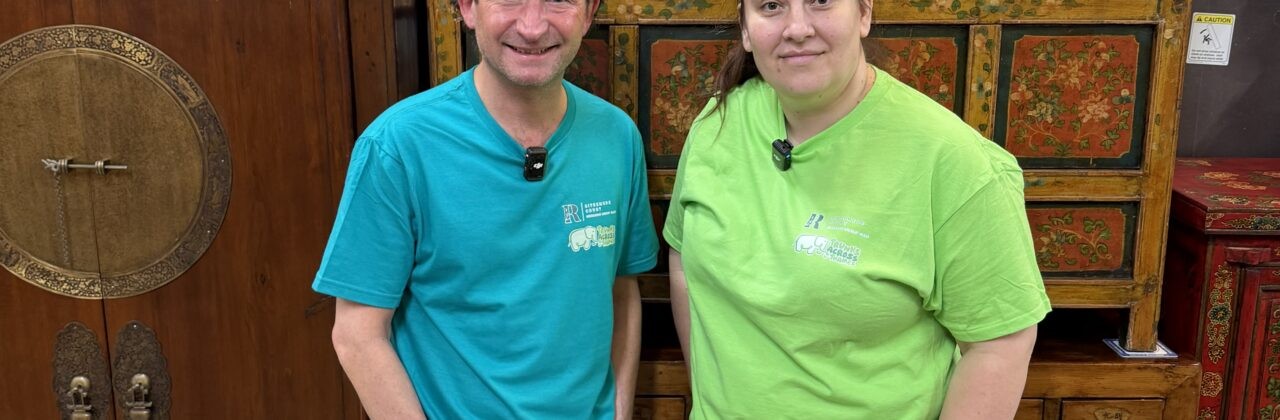
Trunks of Treasure: Harry Ballin’s Top Tips for Turning £200 into Auction Gold
Expert advice from Windsor Auctions to help your team find hidden gems, avoid costly mistakes, and raise as much as possible for Thames Hospice!
The Trunks of Treasure Challenge is all about adventure, teamwork, and a little bit of auction magic. Armed with a £200 budget, teams will go treasure hunting before seeing their finds go under the hammer at a live charity auction in May – with profits boosting their fundraising total for Thames Hospice.
To help everyone get the most from the challenge, we sat down with Harry Ballin from Windsor Auctions – the auctioneer behind the idea – to share expert advice and insider tips.
What Types of Items Consistently Perform Well at Auction?
According to Harry, the key is to think small, collectable, and interesting – especially when working with a manageable budget.
Some categories that regularly do well:
Jewellery & Precious Materials
- Small pieces of jewellery
- Anything made from silver
- Enamel items
- Coins and small collectables
These are easy to display, easy to sell, and often attract strong bidding.
Vintage Toys & Modern Collectables
This is a big one. Harry’s advice? Think about what people loved as kids – because chances are it’s collectable now.
Look out for:
- Barbie dolls
- Action Man figures
- Die-cast cars & train sets
- Pokémon cards
- Jellycat toys
- Vintage toys (especially boxed items)
And yes… LEGO.
Harry admits LEGO is a personal favourite, and while his “addiction” may be well-known, he’s not wrong. Complete or retired sets can perform incredibly well at auction.
Other Good Performers
- Military medals and related items
- Mid-century glassware (look for names like Whitefriars)
- Interesting standalone ceramics
The overall rule?
Small, collectable, and visually appealing often wins.
What Mistakes Should Teams Avoid When Buying Items?
If there’s one thing Harry was very clear about, it’s this:
Avoid anything broken, chipped, or damaged.
Even if something looks interesting, damage dramatically reduces buyer interest.
Other things to avoid:
- Broken toys or incomplete items
- Chipped ceramics or cracked glass
- Certain novelty items that create more hassle than value
- Items that aren’t practical for auction buyers
The simplest test:
If you wouldn’t be excited to buy it yourself… someone else probably won’t be either.
Where Are the Best Places to Find Bargains Locally?
Harry has already been out testing the waters himself – so these suggestions come from real experience.
Charity Shops
Thames Hospice shops are a great place to start. Stock changes regularly and you might spot hidden gems at very reasonable prices.
Car Boot Sales
Classic treasure hunting territory. Bring your negotiating skills and be prepared to dig around.
Antique Fairs
One of Harry’s top recommendations:
Sunbury Antiques Market (Kempton Park Racecourse)
A huge antiques market running regularly – ideal for hunting unusual or collectable items.
The key tip?
Go with an open mind. Sometimes the unexpected finds are the ones that do best.
Are Teams Limited to 20 Lots at Auction?
This has been a common question and here’s the answer:
- Each team selects 20 lots to go into the competition itself.
- However, teams can submit additional items for the charity auction if they have donations or extra finds.
So, if staff members or supporters want to contribute items, that’s absolutely fine.
Just make sure your team chooses which 20 lots are part of the official competition entry.
What Makes a Lot Perform Well at Auction?
It’s not just about what you buy, it’s about how you think about it.
Harry’s expert advice:
- Choose items people instantly understand and recognise
- Keep things interesting or nostalgic
- Presentation matters – grouped collections can work very well
- Look for items that spark emotion or curiosity
In short:
Buy things that make someone think, “Oh, I remember that!” or “That’s cool.”
Harry’s Golden Rule for the Challenge
Enjoy it. Have fun. Relish the experience.
This challenge isn’t just about raising money, it’s about learning to negotiate, chatting with dealers, and discovering the thrill of the hunt.
And one more important tip…
If you’re shopping in charity shops or markets:
Don’t be afraid to negotiate.
Tell sellers what you’re doing and that you’re fundraising for Thames Hospice – many people are happy to support the cause and offer a discount.
Ready to Start Treasure Hunting?
Now it’s time to grab your team and start searching for hidden gems.
Whether you uncover a vintage toy, a quirky collectable, or something totally unexpected – every item helps support an amazing cause.
We can’t wait to see what goes under the hammer at the live auction – and who turns £200 into treasure.
Good luck… and happy hunting!


